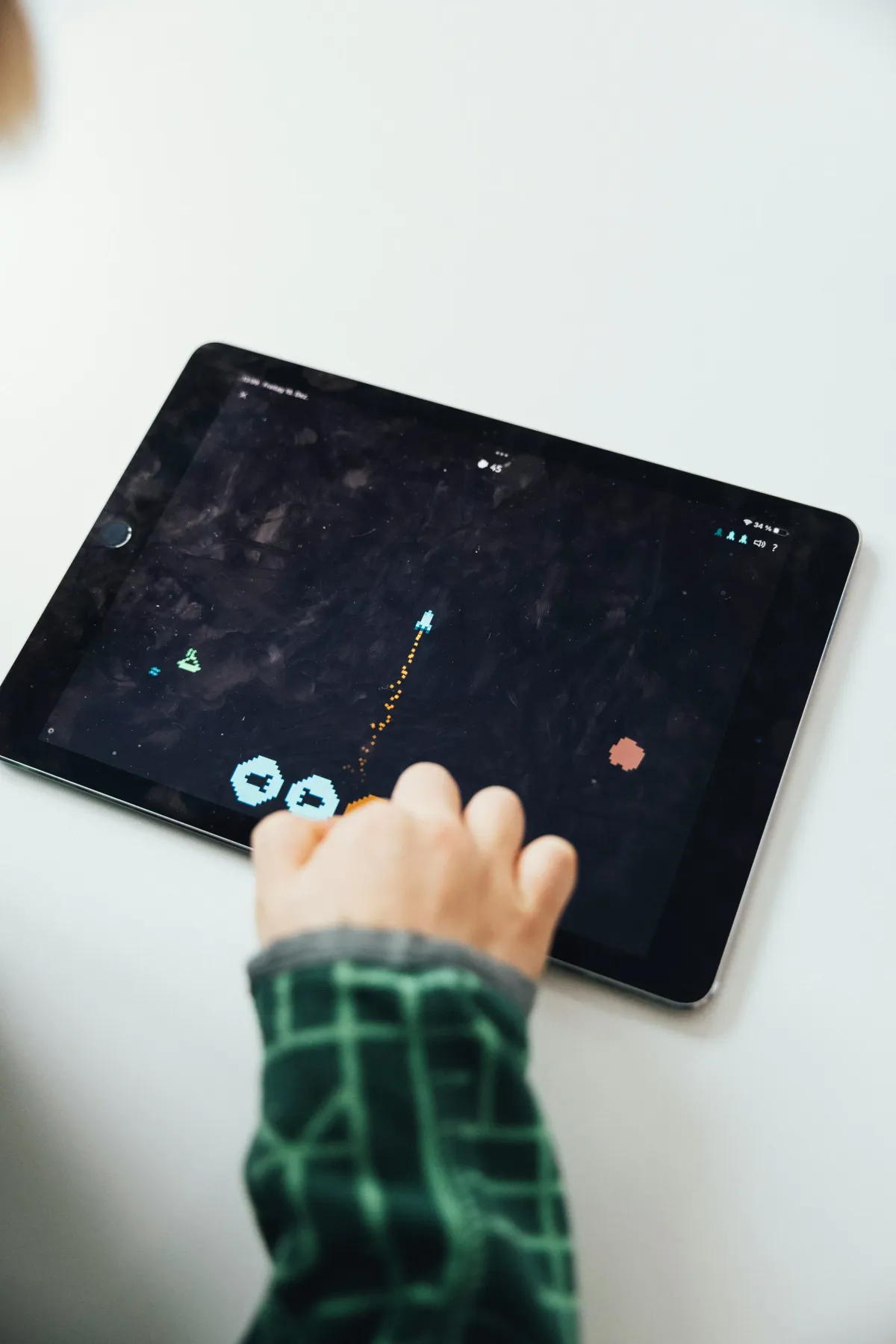
Some digital games seem to give young children’s attention a gentle boost. In a recent study from Turkey, preschoolers who played short app-based attention games twice a week for four weeks made bigger gains on a standard attention test than classmates who followed the regular preschool routine. The sessions were about 20 to 25 minutes, and the games were simple and quiet. Still, the effect was clear.
So what were these children actually doing? The study used an educational app with mini-games designed for ages 5 and 6. Children might sort colourful shapes into the right group, match gems to a pattern, spot tiny differences between pictures or guide a cartoon train to the correct track. These tasks sound like play, but each one asks the child to look closely, stay on task and shift attention at the right moment.
“Well-designed digital games may give children a little extra practice in focusing, without overwhelming them.”
The researchers found that only the children who played the games improved their attention scores. The control group, which continued with their usual school programme, showed no meaningful change. Similar patterns have appeared in other studies, including research in China and Brazil.
Taken together, the evidence suggests that simple, well-designed digital games can help children practise early attention skills in a gentle way. This opens up some useful ideas for designers of children’s media. Short attention-building exercises could sit alongside more passive viewing and offer a small developmental boost. But we still need to understand how much, how often and in what format these activities work best.