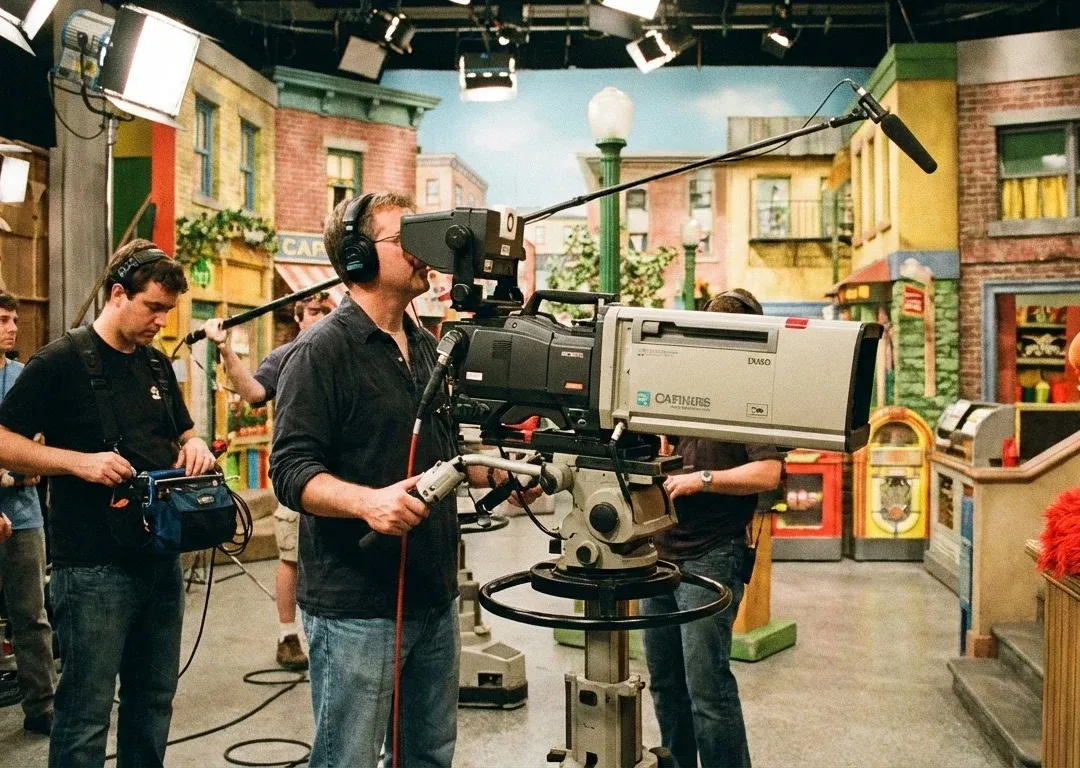
As questions grow about the quality of children’s television, Sesame Street has returned to the spotlight. Recent debates about the show’s future and its move to major streaming platforms have reopened a broader conversation about what young children can gain from screen content.
Sesame Street occupies a rare position in these debates, as one of the few children’s programmes whose effects have been studied in depth. In a 2013 meta-analysis covering more than 20 studies across 15 countries, researchers found that preschoolers who watched Sesame Street regularly entered school with stronger early skills.
Across the studies, children who watched the show tended to do better on early literacy and numeracy tasks, and they showed stronger general knowledge about the world. The researchers describe Sesame Street as “an effective educational intervention,” especially for children who might otherwise miss out on high-quality early learning.
Why did it work? The content was slow enough for young children to follow, creative enough to spark curiosity and built around clear educational goals. Segments were designed with developmental science in mind, using repetition, humour and gentle storylines to help ideas sink in. In other words, the show aimed to teach, not simply entertain.
“Educational television can support early learning when the content is thoughtfully designed.”
This matters for parents today. There is plenty of concern about children and screens, and often for good reason. Fast, chaotic clips designed for clicks do not help young children learn or grow. But the evidence from Sesame Street reminds us that screens are not all-or-nothing. When content is made with care, creativity and a real understanding of child development, it can give children something of value.
Meevee was born from this belief. We are sad that thoughtful, lovingly made children’s content is losing ground to loud, attention-chasing videos. We want to bring back the kind of stories that help children learn new things, build confidence and make sense of the world. In many families, screens are part of the routine. The question is what children find when they turn them on.